
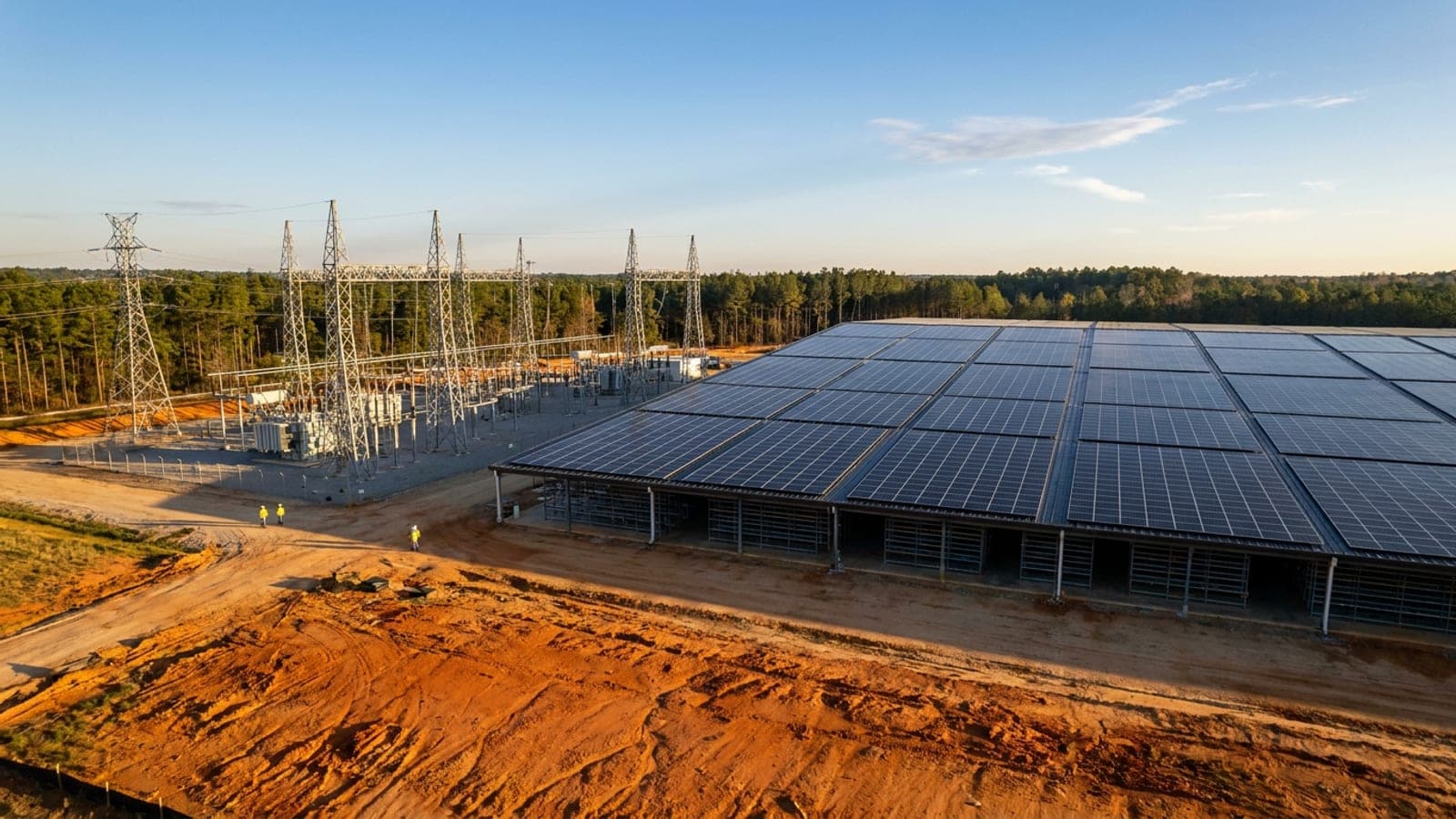
A commercial solar installation South Carolina businesses can rely on starts with a question that has four different answers here: who sells you power? Dominion Energy South Carolina and the two Duke operating companies are investor-owned utilities regulated by the South Carolina Public Service Commission. Santee Cooper is a state-owned utility answering to its own board. And the state's electric cooperatives serve much of the rural interior, buying their wholesale power through the cooperative system. Each sets its own interconnection process, and the answer you get from a neighbor in another territory may be worthless to you.
OneWorld Solar is based in Vidalia, Georgia, was founded in 2001, and has installed more than 7.8 MW for commercial and agricultural customers. We should be straight with you about South Carolina specifically: our portfolio here is smaller than our Georgia one. What we bring to a project in this state is engineering credentials that are current and in-state, and a working relationship with the state-owned utility.
Who is licensed to seal your drawings?
Our VP of Engineering is a Professional Engineer licensed in South Carolina — along with North Carolina, Florida, Georgia, Virginia and Texas — a NABCEP board-certified Photovoltaic System Inspector, and a North Carolina Licensed Electrical Contractor with the Unlimited Classification held since 1992. Since that same year he has worked on medium- and high-voltage interconnections of utility-scale renewable generators: photovoltaic, hydroelectric and landfill gas.
That is not a decoration on a brochure. On a commercial project it decides three practical things. Whether your permit set can be sealed without hiring an outside engineer and waiting on their schedule. Whether the person who answers the utility's review comments actually drew the single line. And whether somebody looks at your site for interconnection compatibility and congestion constraints before the design is committed, which is far cheaper than discovering a problem during the utility study.
What does the South Carolina utility landscape mean in practice?
Dominion Energy South Carolina and Duke Energy Carolinas / Duke Energy Progress. Investor-owned, with rate schedules and interconnection tariffs approved by the South Carolina Public Service Commission in public dockets. The rules are published, which is useful, but they are also revised. Commercial customers on Dominion and Duke demand-based commercial schedules usually find the demand charge, not the energy rate, is what solar and storage have to attack.
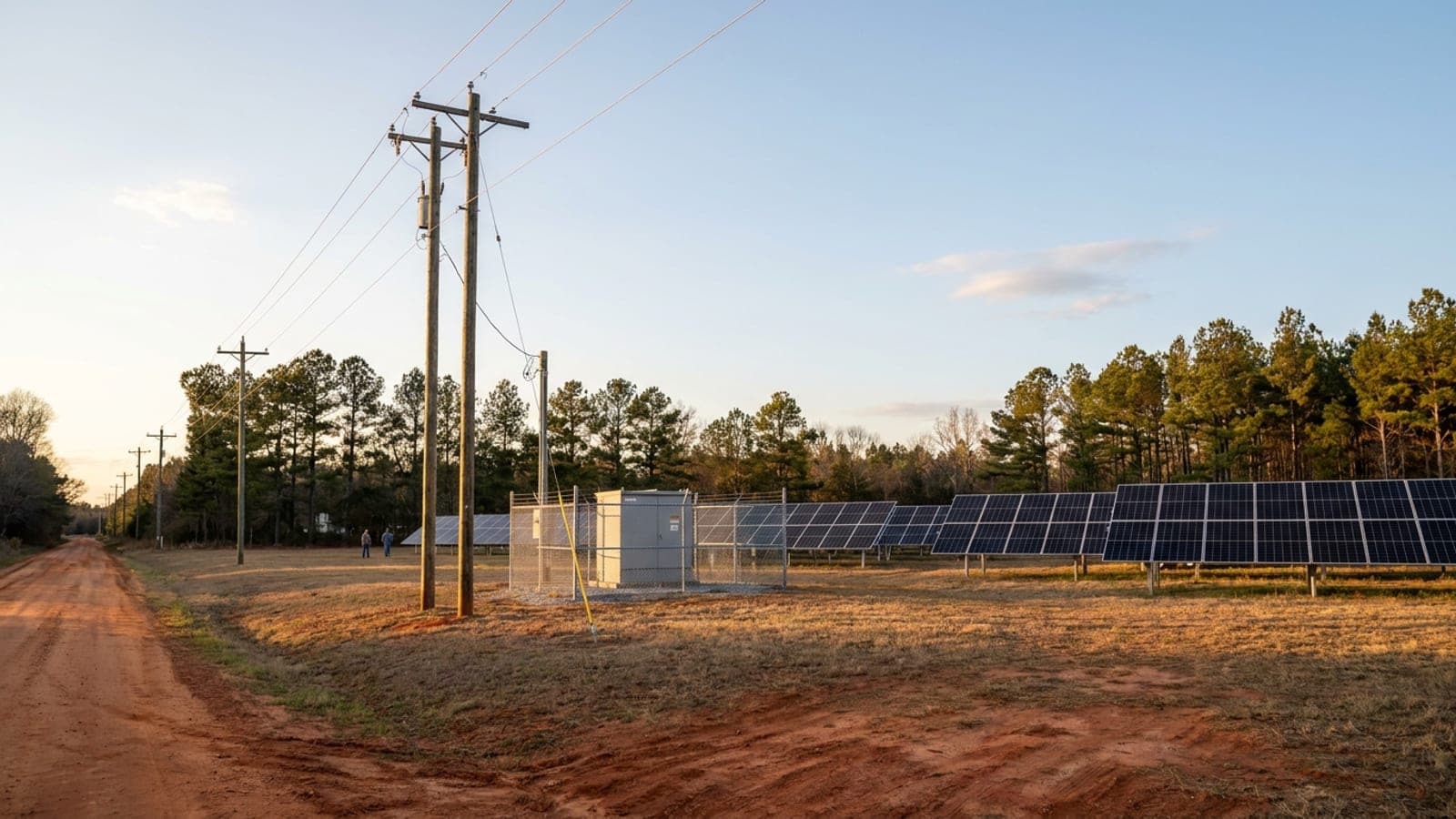
Santee Cooper. The state-owned utility, and a OneWorld Solar client. Its governance and its wholesale relationship with the state's cooperatives make it a different animal from an investor-owned utility, and its interconnection and commercial rate terms are set through its own process. Verify current terms directly.
The cooperatives. Member-owned, elected boards, each with its own interconnection policy and system size thresholds. Two manufacturing plants forty miles apart can face genuinely different rules.
Compensation rules here have changed more than once
South Carolina's treatment of exported solar energy has been rewritten by the legislature and the Public Service Commission more than once in the last decade, and successor tariffs have replaced earlier programs. We will not put a credit rate or program cap in a proposal that we have not pulled from the utility's current tariff that quarter — and you should ask any contractor who does where their number came from.
Which incentives apply in South Carolina?
The federal stack is what carries a commercial project: the 30% federal solar investment tax credit and Section 179 and bonus depreciation. Rural and agricultural operations — and South Carolina has plenty, from poultry to row crop to timber — should look hard at the USDA REAP grant for solar, which can cover a meaningful share of project cost for eligible rural small businesses. Grants are awarded by USDA, never promised by us. Any state-level South Carolina credit or exemption should be confirmed with your tax advisor before it goes into a payback model.
What have we built in South Carolina?
15 kW
Coastal Carolina University, Conway
Rooftop array on an occupied campus building.
7.8+ MW
Installed company-wide
Commercial and agricultural solar and battery since 2017.
1992
PE and interconnection experience since
Medium- and high-voltage renewable interconnections in the Carolinas.
The Coastal Carolina University array in Conway is a small system, and we are not going to inflate it. What it demonstrates is working on an occupied institutional campus with a facilities department, a plan reviewer and a utility all needing to agree. You can see the rest of our work on all commercial solar projects.
For a sense of the scale we work at when the site supports it, look at the Samsonite and TUMI 1.267 MW rooftop solar and battery case study in Vidalia, and at how we approach solar for manufacturing facilities. Most of the commercial solar installation South Carolina buyers ask us about falls into two groups: institutional campuses and industrial plants. South Carolina's automotive, tire, aerospace and textile plants have the roof area, the three-phase service and the daytime load profile that make commercial solar work, often paired with commercial battery storage to attack the demand charge.
How do we start?
The scope is described in full on our commercial solar EPC contractor page, and we quote commercial solar installation South Carolina wide, from the Grand Strand to the Upstate. Send twelve months of bills and your service address; we will identify your utility and rate schedule and tell you whether the site is worth engineering. Get a first estimate from the commercial solar savings calculator, or ask us for a South Carolina site walk.