
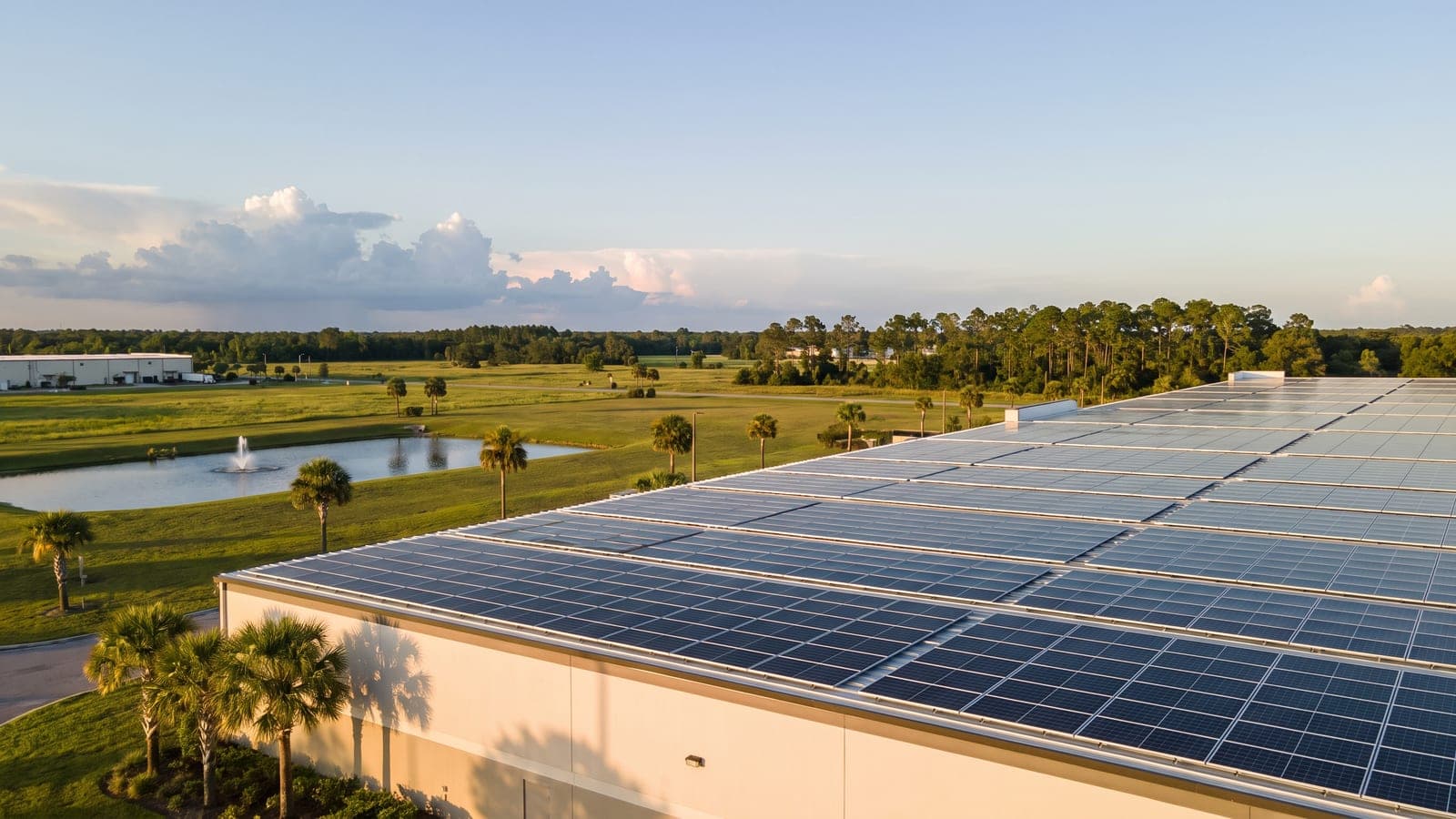
A Duke Energy Florida rate decrease is on the table for January 2027. On September 3, 2026 the utility asked the Florida Public Service Commission to lower rates, and its release says commercial and industrial customers should see bill reductions of 0.8 to 3.6 percent compared with December 2026, with the exact figure depending on the customer and its usage. A typical residential customer using 1,000 kilowatt-hours a month would pay $0.71 less.
Duke gives two reasons. Fuel costs are falling, and a 2 percent base rate increase that the Commission approved in 2024 for 2027 is being avoided through what the company describes as an innovative tax strategy delivering $50 million in customer savings. Both are partly offset by higher infrastructure investment costs. The release adds that Duke Energy Florida will bring nearly 300 megawatts of solar online by early 2027. "What matters to our customers matters to us, and right now, we know they're carefully watching every dollar," said Melissa Seixas, the utility's Florida state president.
What else is the Florida PSC deciding about Duke this fall?
The larger question sits in a different proceeding. MGRID reported on August 28 that Duke Energy Florida filed the state's first large load tariff under Senate Bill 484, the law that requires a utility to "reasonably ensure that a large load customer bears its own full cost of service." The tariff would apply to customers with an anticipated monthly peak load of 50 megawatts or more at a single location, with a 20-year minimum contract term, minimum monthly bills and early termination fees. It sets no rate: Duke asked the Commission to defer rate design to a later proceeding.
The Commission heard the case on August 25 and 26, briefs were due September 15, and every Florida investor-owned utility must file a compliant tariff by October 1, 2026, according to MGRID. Food & Water Watch, a party opposing Duke's plan, said on September 16 that a final decision is expected in November and that the Commission required Duke's projected data center transmission and generation costs to be redacted from its public brief. The group's own analysis puts the rise in Duke Energy Florida bills between January 2021 and January 2026 at 45 percent.
We set out how the other Southeast utilities have handled the same question in large load tariffs in the Southeast, and the North Carolina version in the Attorney General's proposal for a data center rate class.
What this means for a business in Duke Energy Florida territory
A cut of 0.8 to 3.6 percent is welcome and small. On a facility paying $10,000 a month it is worth $80 to $360, and the two things behind it, a fuel price and a one-time tax strategy, are the kind that reverse. The part of a commercial bill that does not move with either is the demand charge, which is set by the highest interval of the month, and the long-run cost of the plants and lines the November decision will allocate.
A solar array answers a different question than next January's tariff. It replaces a share of the energy a facility would buy over twenty-five years at a fixed cost, and with storage it lowers the demand the meter records in the peak window, which we explain in when commercial battery storage pays off. A rate cut of this size moves the payback of a system by weeks. The federal investment tax credit, whose construction and placed-in-service deadlines are set out on our federal solar tax credit page, moves it by years, and those deadlines reward a project that starts in 2026.
Florida's summer afternoons are also the grid's tightest hours. A facility that covers its own peak is on the right side of that whichever way the large load case is decided.
What we build in Florida
Our commercial solar installation in Florida work includes the 127 kW rooftop system at Headquarter Honda in Clermont, the 102 kW roof at Valencia College in Orlando and canopies for the Orlando Utilities Commission and TECO, engineered by a professional engineer licensed in the state. We deliver the array, the battery storage where the tariff rewards it and the interconnection under one commercial solar EPC contract, designed for Florida wind loads from the first drawing.
If your business is in Duke Energy Florida territory, run our calculator for a first estimate, then send us twelve months of utility bills. We will show you what a system does to the bill at the rates Duke has proposed for 2027, and what it does if those rates move again.