
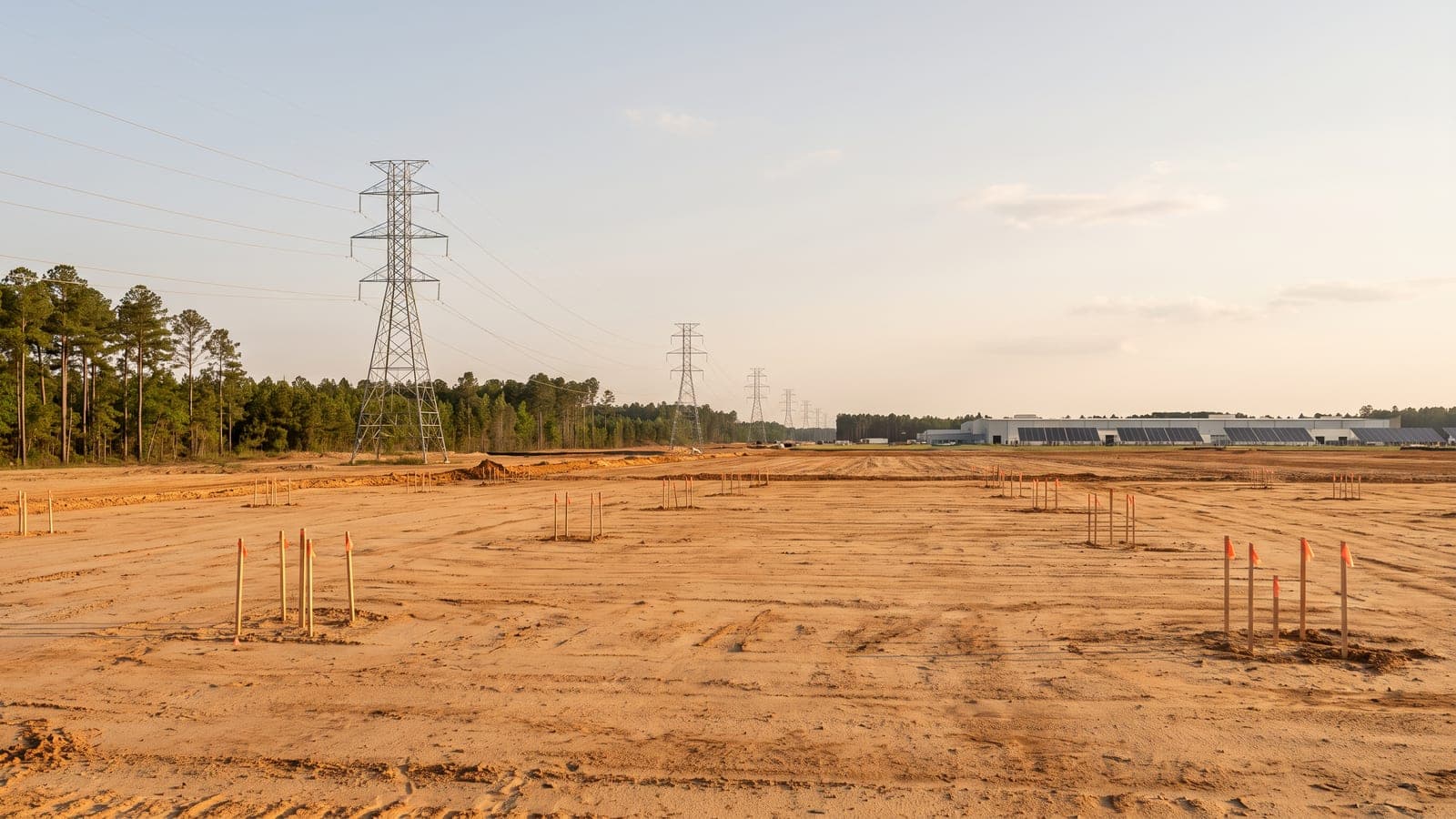
The North Carolina gas turbine denial issued on September 18 is the clearest signal yet that data center load forecasts will have to be proven before they are built on. The North Carolina Utilities Commission rejected Duke Energy's request to construct and operate a 255 megawatt hydrogen-capable simple cycle combustion turbine at the Smith Energy Complex in Richmond County, a project priced at $584 million with a potential in-service date of January 1, 2030. Utility Dive reported the order on September 22, noting that Commission staff testimony had described the cost as staggering and very expensive.
The reasoning matters more than the refusal. The Commission wrote that much of the growth Duke projected "appears to be based upon anticipated data center customer additions," and that such projections were "insufficiently reliable for the Commission to act at this point." It also found that the record did not show in enough detail how the plant would serve data center demand while honoring the ratepayer protection pledge the company has made. Rather than dismiss the application, it deferred it until the review of Duke's 2025 Carbon Plan and Integrated Resource Plan concludes, which is not expected before late 2026.
What has changed in the way North Carolina approves generation?
Until this year, a utility's load forecast was largely the starting point of a certificate case. This order treats it as the question. A forecast built on customers who have signed letters of intent, or who have asked for interconnection studies but not committed, is now something the applicant has to substantiate before the Commission will authorize a plant that ratepayers fund for thirty years.
That is the same thread running through the other North Carolina proceedings of the past month. The Attorney General asked the Commission in September to create a dedicated rate class for Duke's data center customers, to publish the template contracts and to move load forecasts to a 90-day cycle, which we covered in the data center rate class proposal. The solar and storage procurement required by the Carbon Plan has been paused since April, with a ruling expected in early October, as we reported in the North Carolina solar RFP pause. Duke said it is disappointed by the turbine order, is reviewing it and assessing potential next steps, and continues to describe the project as a least-cost path to reliable and affordable service.
What this means for a business on the Carolinas grid
Slower supply and a growing queue of very large customers put more weight on what happens behind each meter. Three weeks ago the Department of Energy authorized Duke Energy Carolinas to direct backup generators and batteries at data centers and large commercial sites to run before shedding firm load, during a forecast peak of 22,295 megawatts, which we described in the DOE emergency order for the Carolinas. A grid that asks customers for capacity in September and declines to add capacity in the same month is telling facility managers something plain.
None of it changes a plant's consumption or its demand charge. Those are set by the meter, and they fall when a site generates part of its own power and moves load off the peak window. Where continuity of operations is the concern rather than cost, a commercial microgrid sized to the loads that cannot stop answers the question that a deferred turbine does not,.
Duke's proposed rate increases from January 2027, which we reported in what the Duke Energy Progress settlement means for a North Carolina business, make the arithmetic of doing something better rather than worse.
How we build in Duke territory
Our commercial solar installation in North Carolina is engineered by a professional engineer licensed in the state and an electrical contractor holding North Carolina's unlimited classification since 1992, with interconnection applications prepared in the format Duke's procedures expect. Array, storage and interconnection are delivered under one commercial solar EPC contract, so the schedule belongs to the owner rather than to a utility queue. The largest example of solar and storage together in our portfolio is the 1.267 MW rooftop system with 55,000 pounds of batteries at Samsonite and TUMI in Vidalia.
If your facility is in Duke Energy Carolinas or Duke Energy Progress territory, send us twelve months of utility bills and the list of loads that must stay on. We will size the system to your load and show you what it does to the bill, on a schedule that does not depend on the next certificate case.