Skip to content
OneWorld Solar

News · page 2 of 2

Commercial Solar News, Page 2

What changed this week in incentives, utility rates, battery storage and solar technology, and what it means for a business in Georgia, Florida or the Carolinas. Reported by the people who build the systems.
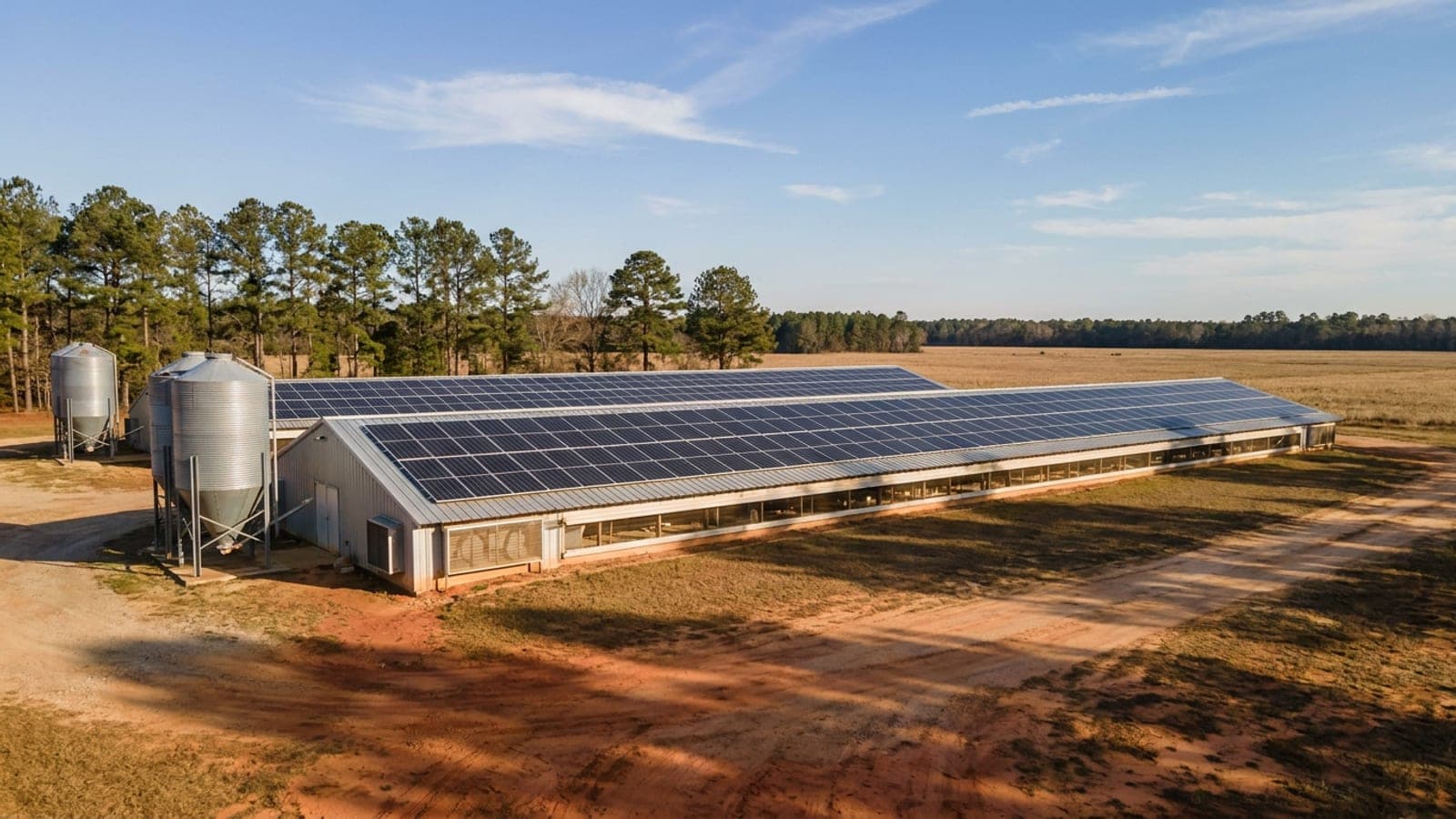
  • Aerial view of solar modules covering the roofs of a row of poultry houses on a farm in eastern North Carolina in late afternoon light

    Utilities & Rates

    Duke Energy Progress rate increase 2027: what the settlement means for your business

    A settlement in the Duke Energy Progress rate case would raise rates in two steps from January 1, 2027, if the North Carolina Utilities Commission approves it. The size is known, the date is known, and a business in eastern North Carolina or the Asheville area has four months to decide how much of it to pay.

    5 min read

  • Poultry houses on a south Georgia farm with new solar modules on their roofs, storm-damaged pines at the edge of the field

    Agriculture

    Hurricane Helene block grant: $531 million for Georgia farms this fall

    The Georgia Department of Agriculture expects to pay out $531.236 million in USDA block grant funds for uncompensated Hurricane Helene losses by the end of fall, prorated across more than 4,200 eligible applications. The money answers what was lost. What to rebuild differently is a separate question, with a deadline of its own.

    4 min read

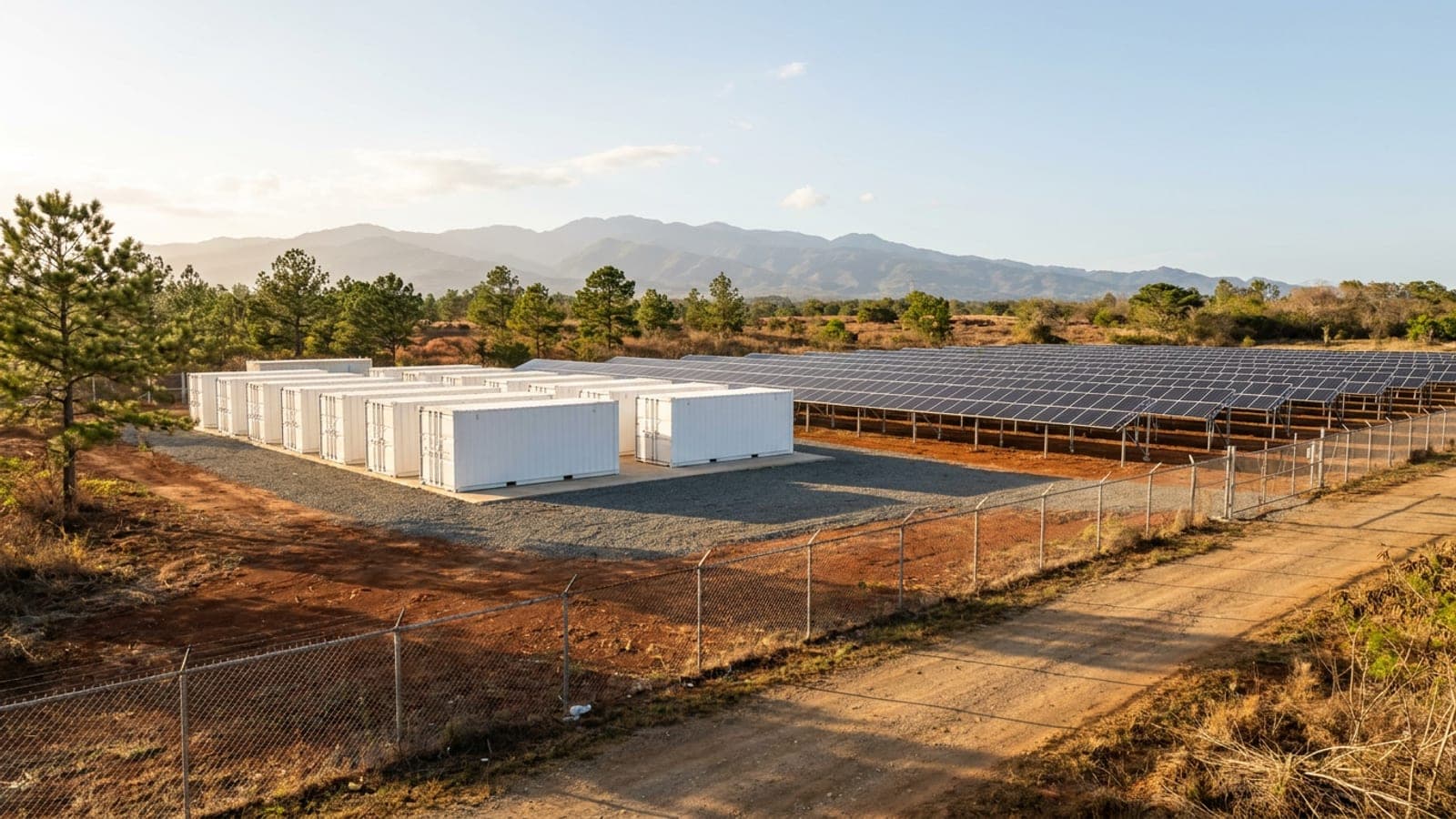
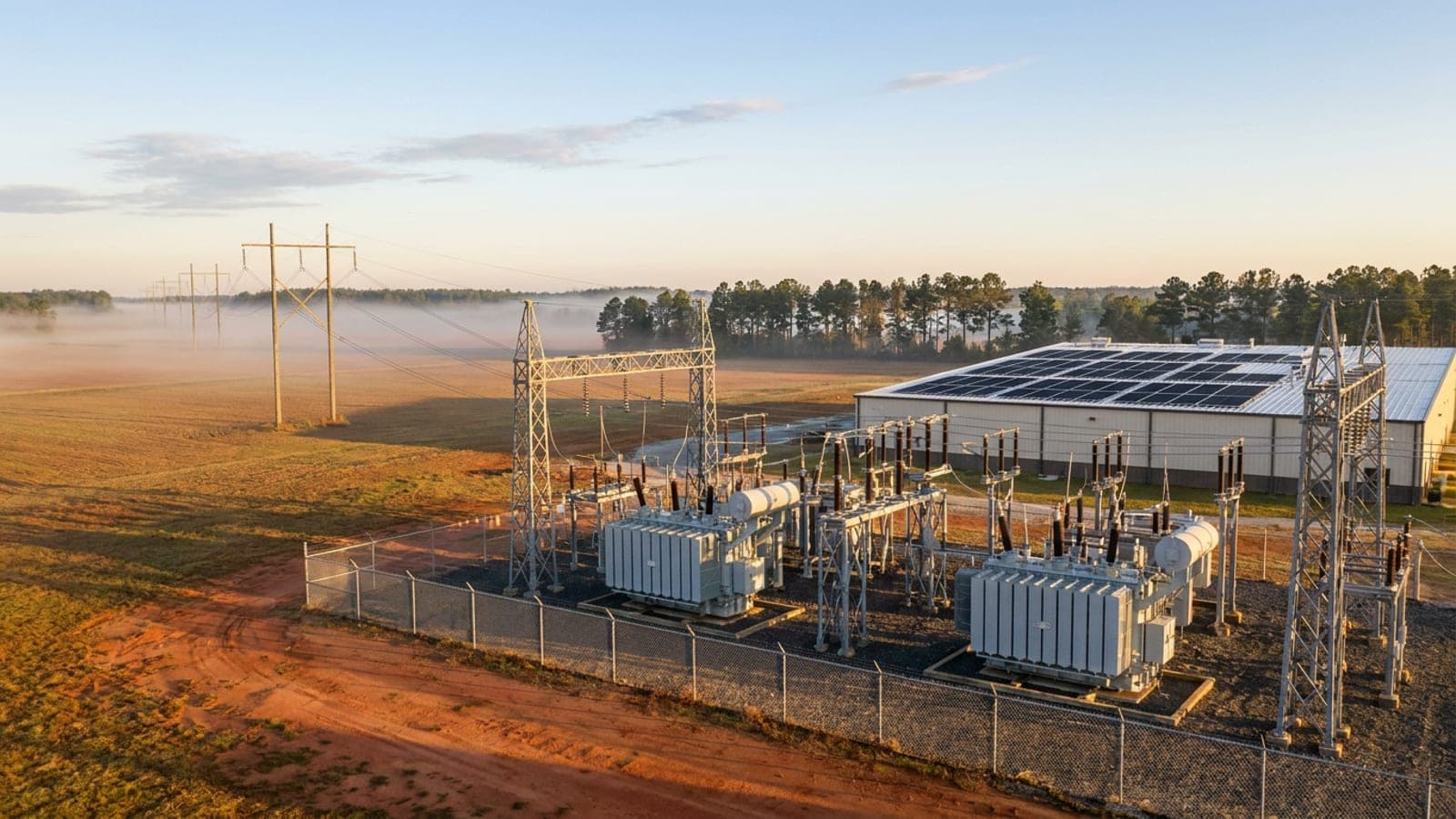
  • Aerial view of a utility-scale solar farm and battery containers beside a substation on rolling farmland in the Carolinas

    Grid & Resilience

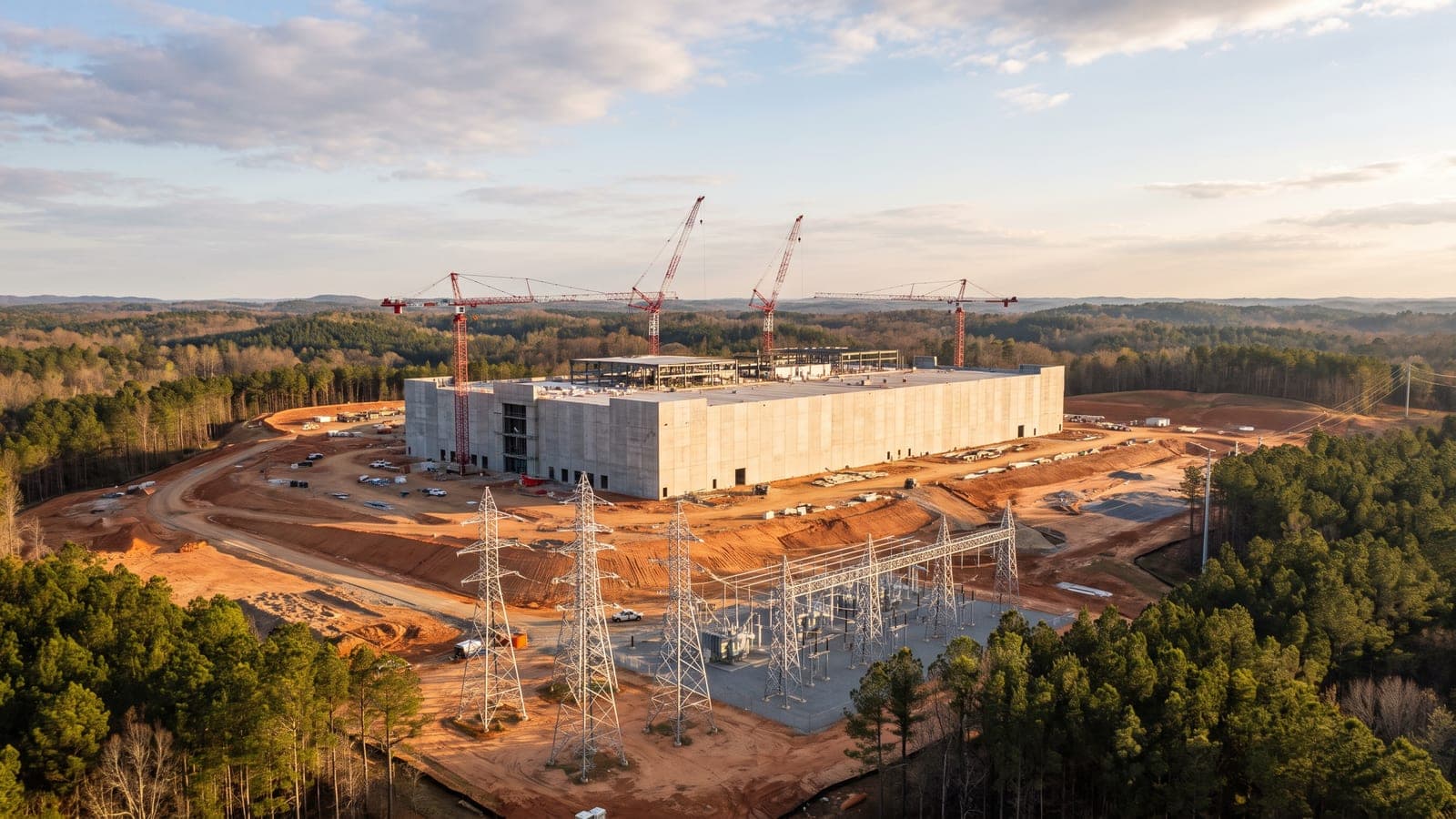
    Duke Energy Carolinas resource plan: 18.5 GW of solar and 13 GW of storage by 2041

    Duke Energy's 2026 Carolinas Resource Plan, filed with South Carolina regulators in August, asks to add about 18.5 GW of solar and 13 GW of battery storage by 2041. A utility planning that much storage has decided what flexibility is worth, and a Carolina facility can own the same thing at its own meter.

    5 min read

  • Ground-mounted solar array beside a row of long poultry houses on a farm in rural Georgia under a hazy summer sky

    Incentives

    REAP funding opportunity rescinded: what to prepare while USDA rewrites the rules

    USDA rescinded the 2025-2027 REAP notice of funding opportunity on April 15, 2026 and will accept new applications only after a revised regulation is published. Applications without a signed agreement must be refiled. The pause is time to get the technical report, the interconnection and the tax numbers in order.

    4 min read

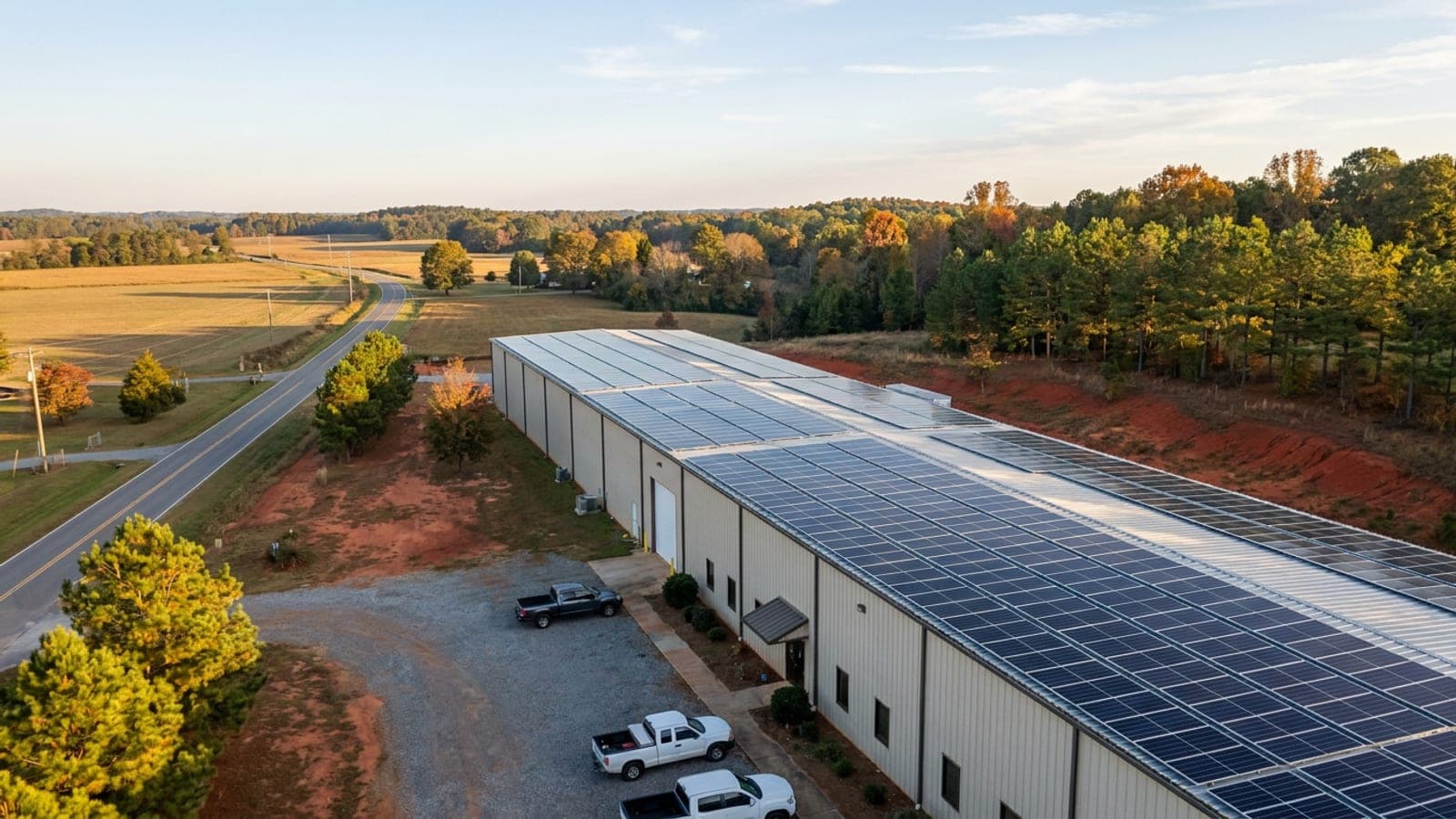
  • Rooftop solar array over a car dealership service building in Georgia, with the vehicle lot and a canopy visible below

    Incentives

    Section 179 expensing limit for solar is now $2.5 million: the year-one math

    The IRS confirms the Section 179 expensing limit is $2.5 million for property placed in service in tax years beginning after December 31, 2024, with the phase-out starting at $4 million, and 100 percent bonus depreciation is permanent for property acquired after January 19, 2025. Here is what that does to the first year of a commercial solar project.

    4 min read

  • Utility meter bank and disconnect switches on the wall of a North Carolina warehouse with a rooftop solar array above

    Carolinas

    North Carolina interconnection fast track for commercial solar up to 2 MW

    North Carolina's interconnection procedures give a commercial solar or storage system three paths onto the grid: a simplified process for certified inverter systems up to 20 kW, a fast track with technical screens for certified systems up to 2 MW depending on the line, and a full study for everything else. Which path a project takes is decided at design.

    4 min read

  • Solar array on the roof of a distribution warehouse in coastal South Carolina with a high-voltage substation visible beyond the tree line

    Carolinas

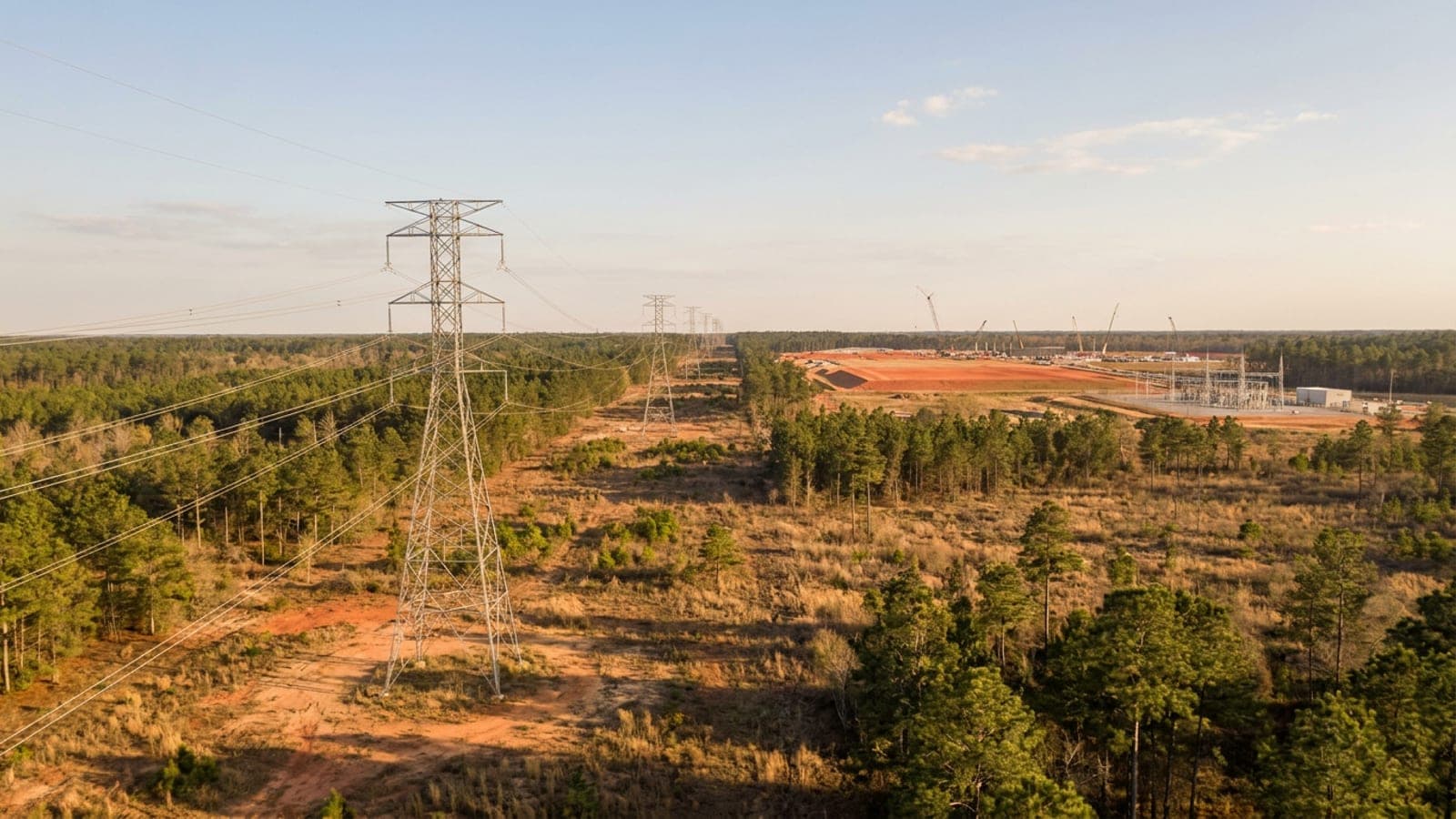
    Santee Cooper large load rate: what it means for a South Carolina business

    Santee Cooper's published rate schedules now include an experimental large load schedule that is mandatory for data centers above 50,000 kW and for portable loads above 1,000 kW. For the ordinary South Carolina business on the general service rate, the number that matters is still the $12.21 per kW demand charge, and there is something to do about it.

    4 min read

Follow this section by RSS: news feed. For longer reading on costs, incentives and payback, see commercial solar insights.

Want to know what this week's news does to your power bill?

Send us twelve months of utility bills and we will tell you which incentives and rate changes apply to your facility, what a system would cost and what it would save.